
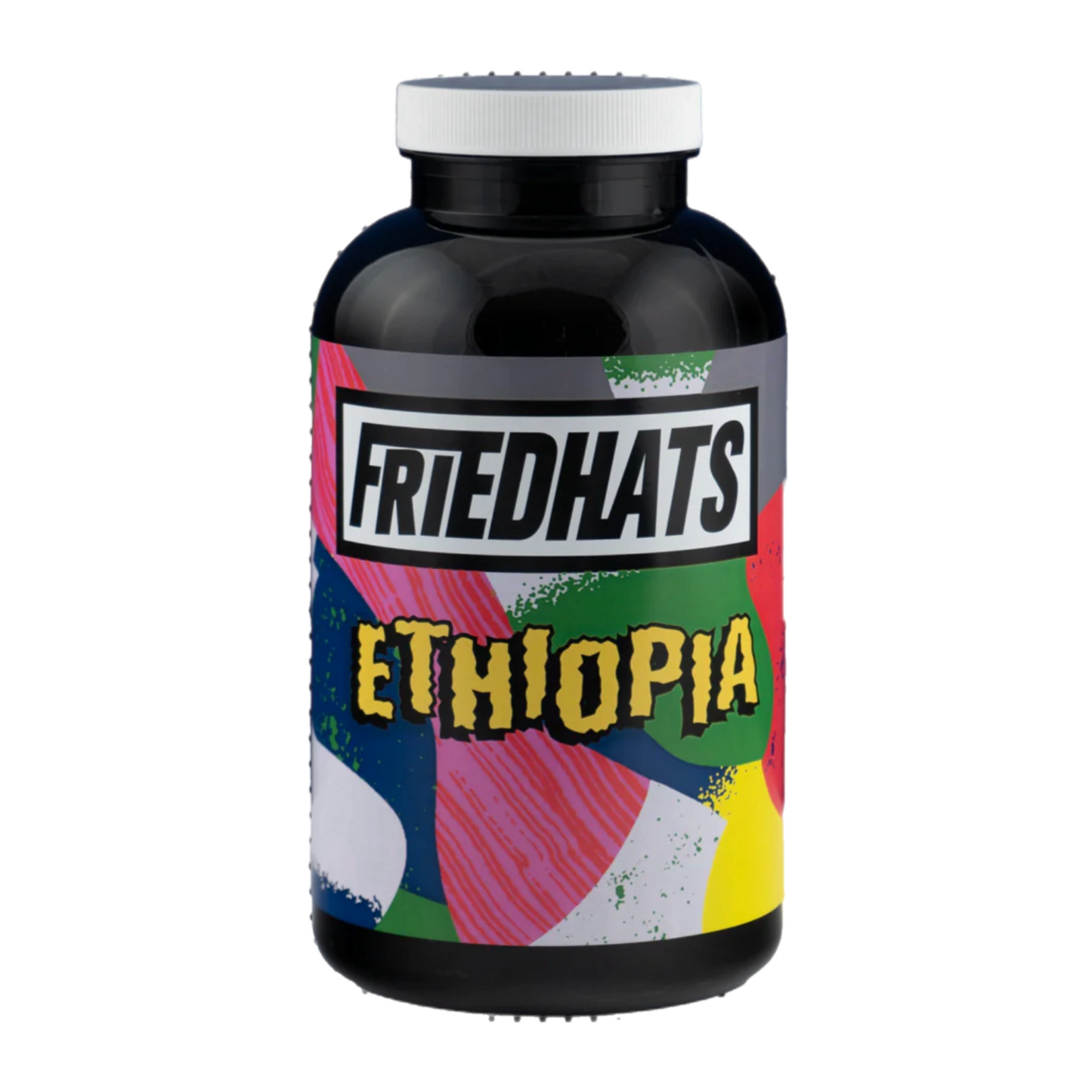
It’s about time we put together a comprehensive processing guide to refer to, but until then let’s revisit what honey processing is. Cutting right to the chase, honey processing basically sits somewhere on the spectrum between washed and natural, but isn’t quite either. To start, the cherry to some varying degree is removed, leaving differing amounts of mucilage on the bean. Then the coffee is dried in the style of a natural, requiring different amounts of time or drying styles depending on mucilage amounts. Simple enough. Lighter colors like white or yellow generally have the least amount of mucilage left, making the processing simple and clean, closer to a washed process– usually bright and floral. Conversely, darker colors like red or black tend to have more mucilage, then get dried slowly in the shade or (relatively) quicker in the sun resulting in different colors from the dried residue– such as black or red. Makes sense!
There’s the old saying “you can lead a horse to water, but you can’t make him drink.” Well I’ve never spent much time around horses, but I think I’ve given you enough information to understand what a red honey processed coffee is. So drink it up.
-
Variety
Heirloom, 74110, 74112, 74114
-
Processing
Red Honey
-
Altitude
2100-2200 masl
-
Region
Yirgacheffe

Unique coffees, from unique roasters, for unique experiences.
- Choosing a selection results in a full page refresh.
- Opens in a new window.